


- What Happened: After the Supreme Court blocked his IEEPA tariffs 6-3, Trump immediately announced a 10% global tariff under Section 122 and launched several Section 301 trade investigations.
- Why It Matters: Trump called the ruling "deeply disappointing," said he was "ashamed" of certain justices, and vowed to pursue alternatives that could bring in even more revenue than the original tariffs.
- Bottom Line: Republican reaction was split, with some calling it judicial overreach and others like Rand Paul welcoming the constitutional guardrails, while Speaker Johnson said Congress and the administration will determine the best path forward.
The Supreme Court thought it could stop Donald Trump's trade agenda with a 6-3 ruling Friday morning. By Friday afternoon, Trump had already signed a new tariff order.
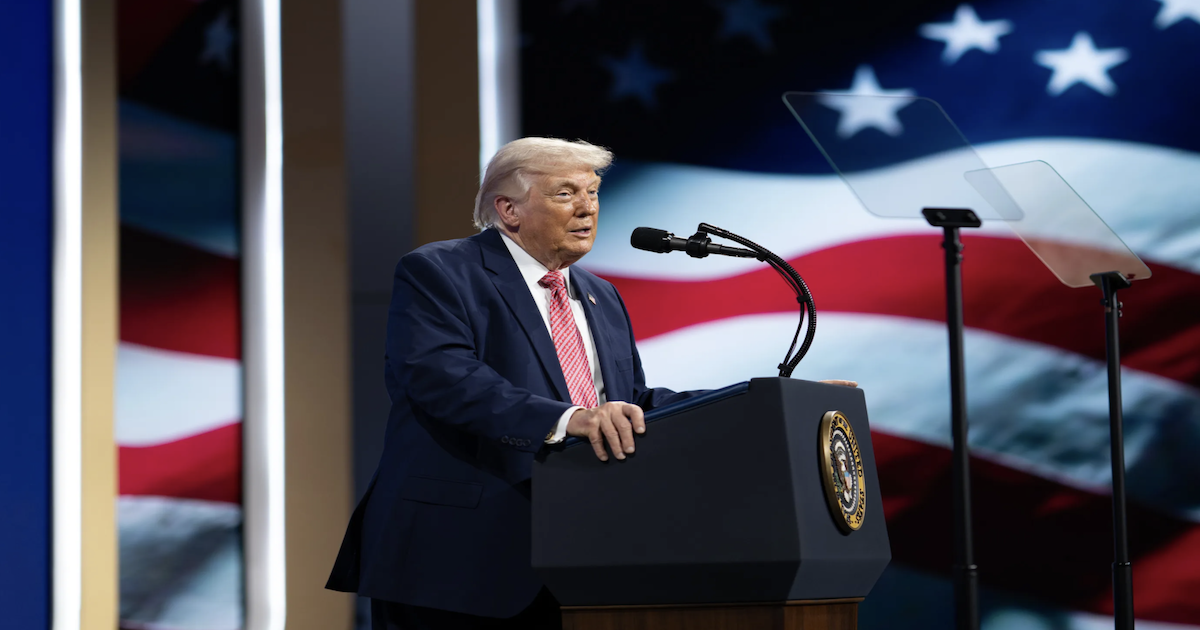
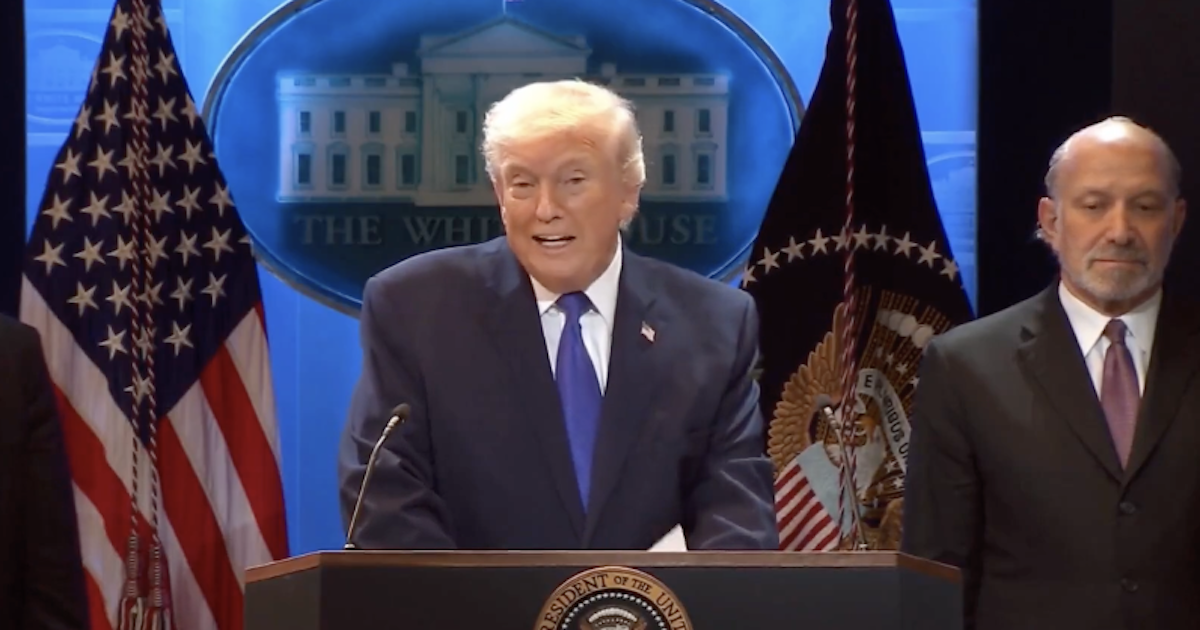
After the high court blocked his Liberation Day tariffs levied under the International Emergency Economic Powers Act, Trump walked straight to the White House briefing room and made clear that the court's decision was not the end of the story. It was barely a speed bump.
"Other alternatives will now be used to replace the ones that the court incorrectly rejected," Trump said. "We have alternatives. Great alternatives. Could be more money. We'll take in more money, and we'll be a lot stronger for it."
Trump then announced he was signing an order imposing a 10% global tariff under Section 122, on top of existing tariffs already in place, and launching multiple Section 301 investigations into unfair trading practices by foreign nations and companies.
BREAKING: President Trump announces 10% global tariffs in response to the Supreme Court's ruling.
— Collin Rugg (@CollinRugg) February 20, 2026
"In full force and effect today, I will sign an order to impose a 10% global tariff under Section 122 over and above our normal tariffs already being charged." pic.twitter.com/IJZXBhxLtl
He did not mince words about the justices who sided against him. "I'm ashamed of certain members of the court, absolutely ashamed, for not having the courage to do what's right for our country," Trump said, adding that he believes the court has been "swayed by foreign interests and a political movement that is far smaller than people would ever think."
Republican reaction on Capitol Hill was split. Rep. Buddy Carter called the ruling "judicial overreach" and said it undercut the president's ability to defend American workers. Sen. Rand Paul took the opposite view, welcoming the decision as a protection against future presidents using emergency powers to enact sweeping economic policy.
Speaker Mike Johnson struck a measured tone, acknowledging the billions Trump's tariff strategy has already brought in while signaling Congress and the White House would work together on the path forward.
The court ruled. Trump adapted. The fight for American trade is far from over.