


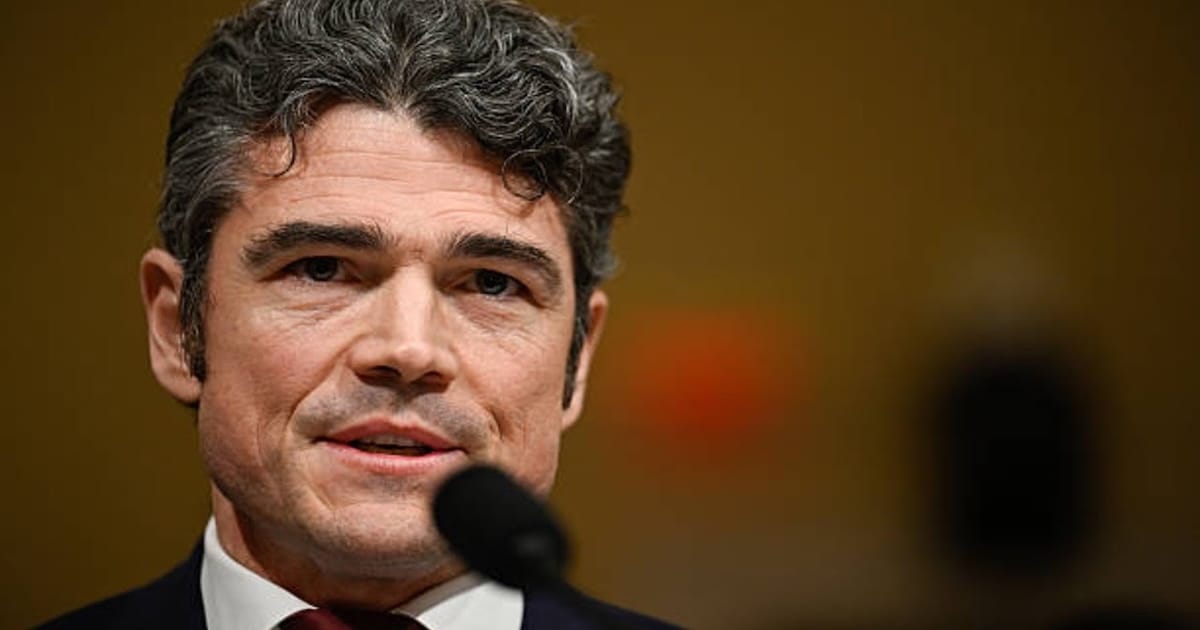

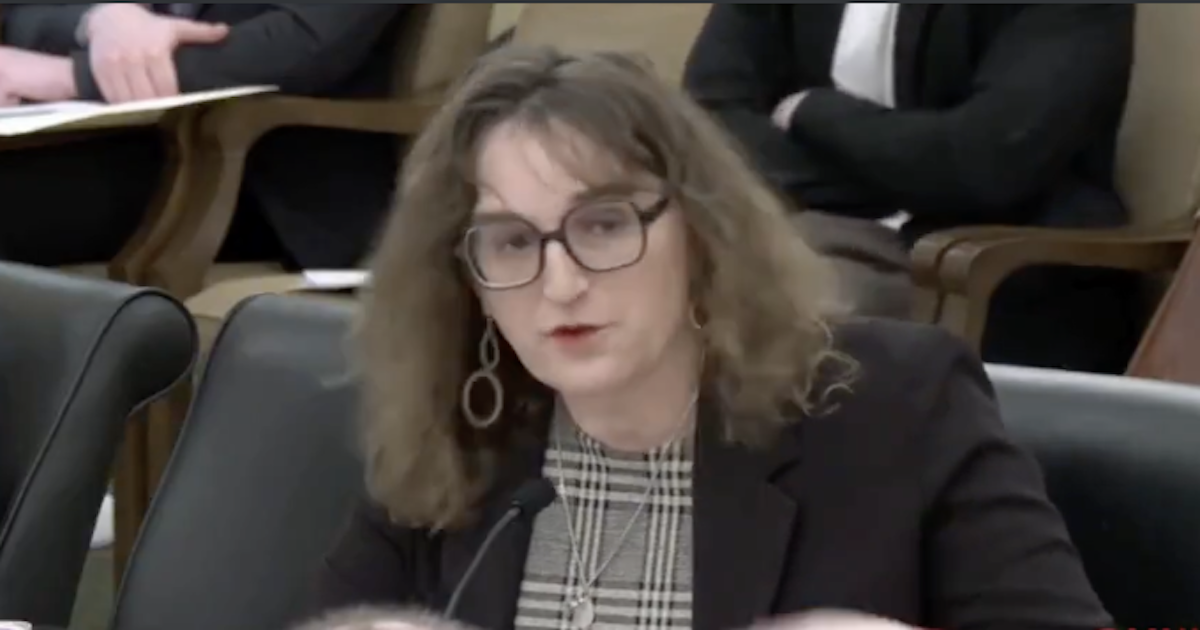
- What Happened: During a Minnesota House committee hearing, Democratic Rep. Leigh Finke argued that restricting minors' access could harm LGBTQ youth.
- Why It Matters: HF1434 would require commercial websites hosting material harmful to minors to verify users are at least 18, mirroring laws already passed in several other states.
- Bottom Line: Finke's remarks went viral after clips circulated without surrounding context, intensifying an already heated national debate over child protection versus digital access.
A Minnesota Democrat just handed parents across America every reason to pay closer attention to what is happening in their state capitol.
During a February 19 committee hearing on House File 1434, a bill that would require websites hosting explicit material to verify users are at least 18 years old, Democratic Rep. Leigh Finke of St. Paul stood up and argued against the measure by suggesting that minors, particularly LGBTQ youth, may need access to online pornography to understand their sexual identity.
🇺🇸 Transgender Minnesota Dem says restricting kids from porn is harmful because it might be "educational if they are queer."
— Mario Nawfal (@MarioNawfal) February 20, 2026
This is the hill they're dying on.
Age verification is oppression because some kids might need adult content for... education.pic.twitter.com/tumqJz2hz9 https://t.co/BaTtpU919a
Finke warned lawmakers that broad restrictions could cut off what he framed as an informal resource for young people questioning their sexuality who lack supportive environments or inclusive education at home.
Let that sink in for a moment.
The bill itself is straightforward common sense. HF1434 mirrors age-verification laws already passed in several states, shifting the compliance burden onto website operators rather than individual users. It allows parents to sue websites that fail to implement safeguards and authorizes the state attorney general to enforce penalties. Supporters rightly point out that when pornography was sold in physical stores, age checks existed. The internet eliminated those barriers entirely.
Republican sponsors of the bill argue that courts have long recognized states' authority to protect minors from sexually explicit material, and that digital platforms should face the same standards as alcohol retailers and adult entertainment venues.
Finke did not call for eliminating all restrictions, but his suggestion that explicit content carries educational value for minors in certain circumstances was enough to send clips flying across social media at lightning speed.
Parents work hard to protect their children from content that distorts expectations around relationships and consent. The last thing they need is a state lawmaker arguing that pornography is a resource.
Minnesota's children deserve better than this demonic ideology.