


Patriot Brief
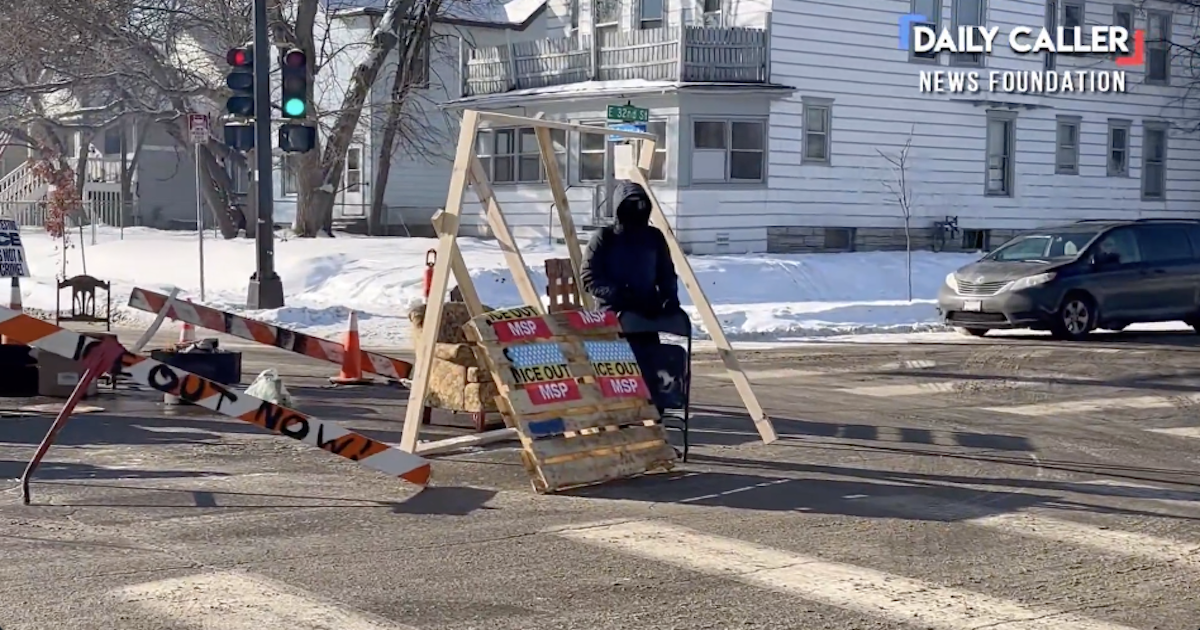
- What Happened: Activists set up an unauthorized roadside checkpoint on Cedar Avenue, stopping vehicles, checking IDs, and running license plates, according to on-scene reporting.
- Why It Matters: Civilian checkpoints are unlawful and raise serious public safety and civil liberties concerns, especially without law enforcement present.
- Bottom Line: Authorities face pressure to shut down rogue enforcement activity and restore order.
An unauthorized roadside “checkpoint” run by activists is raising alarms after reporters documented civilians stopping cars, checking identification, and running license plates without any visible law enforcement oversight.
Footage and eyewitness accounts place the scene on Cedar Avenue, where activists erected barricades and signage and began interacting with motorists. According to the journalists on site, no local police were present during the operation. The situation escalated when the reporting team says they were assaulted while documenting the activity.
As shared by journalist Jorge Ventura, his Uber driver was "pulled over" at this checkpoint due to his plates coming up in their "system" as plates belonging to ICE. Once the activists realized that he was simply a Somalian Uber driver, they said he was free to go.
This "checkpoint" looks lame, but it's the start of a network of what will become stronger and more numerous checkpoints.
— J Michael Waller (@JMichaelWaller) February 3, 2026
Such illegal checkpoints are early nodes of an illegal policing system characteristic of insurgencies worldwide.
Loyal citizens should take them down. https://t.co/4s0A268rlu
Civilian checkpoints are not legal. Only authorized law enforcement agencies can stop vehicles, demand identification, or access license plate information. When private groups attempt to do any of that, it creates immediate risks for motorists, bystanders, and the people running the operation themselves.
Security analysts warn that ad hoc “policing” by activists can quickly spiral. What starts as a symbolic stunt can become confrontation, confusion, or worse, especially when drivers do not know who is in charge or what authority, if any, exists. That uncertainty is precisely why the law restricts enforcement powers to trained, accountable officers.
Public officials have been pressed to respond and clarify enforcement. The expectation from residents is straightforward: unlawful checkpoints must be dismantled by authorities, investigations conducted into alleged assaults, and clear guidance issued that civilians cannot assume police powers.
This episode underscores a growing concern as political activism bleeds into street-level enforcement theater. Americans expect order, due process, and equal application of the law. When private groups try to replace that with barricades and homemade databases, the line has been crossed.