



Patriot Brief
- What Happened: The Tongva tribe confirmed Billie Eilish’s Los Angeles home sits on its ancestral land and said she has not contacted the tribe.
- Why It Matters: Eilish previously claimed “no one is illegal on stolen land,” prompting calls for consistency from critics.
- Bottom Line: The episode spotlights a growing gap between Hollywood rhetoric and real-world accountability.
Hollywood’s favorite slogans are colliding with reality.
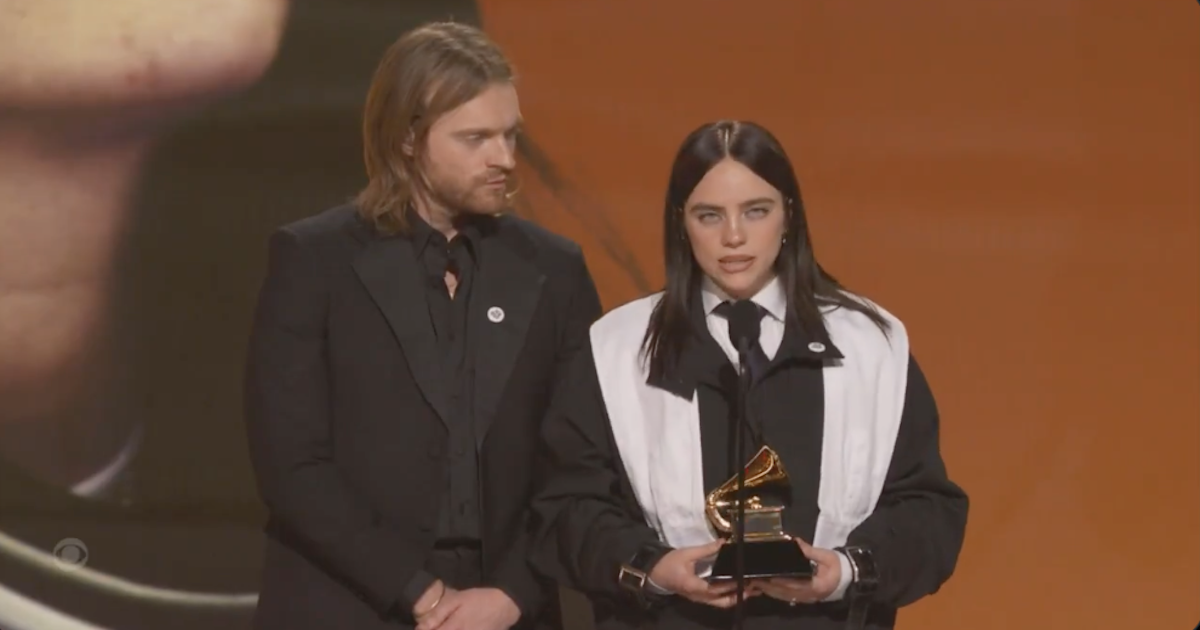
The Tongva tribe confirmed this week that Billie Eilish’s Los Angeles home is located on its ancestral land, adding that the singer has not reached out to the tribe regarding the property. “As the First People of the greater Los Angeles basin, we do understand that her home is situated in our ancestral land,” the tribe told the Daily Mail.
The clarification reignited backlash after Eilish previously declared, “no one is illegal on stolen land,” a line applauded by activists and celebrities. Critics are now asking whether that belief applies when the land in question comes with a $14 million mansion and private security.
Billie Eilish just got her bluff called. pic.twitter.com/LTazWRUkx4
— Brick Suit (@Brick_Suit) February 3, 2026
Americans online wasted no time pointing out the contradiction. If the land is stolen, they argue, returning it would be the logical first step. Others suggested Eilish could put her moral framework into action by opening her estate to illegal migrants rather than lecturing the public from behind gates.
The Tongva statement was measured and factual, not accusatory. But it cut through the noise. The tribe did not demand restitution. It simply stated the reality of the land and the absence of any outreach from Eilish.
Billie Eilish calls America "stolen land"
— End Wokeness (@EndWokeness) February 2, 2026
Ok, Billie. Your $14,000,000 mansion in LA is built where the Tongva tribes once lived. Any plans on returning it?
pic.twitter.com/3qu0ubWX8G
That silence is what critics are seizing on. Celebrity activism often demands sweeping changes from ordinary Americans while exempting the people with the most wealth, property, and influence. It is easy to chant slogans. It is harder to live by them when personal comfort is at stake.
No law requires Eilish to give up her home. But politics built on moral absolutism invite scrutiny. When a celebrity claims the moral high ground, the public is going to ask whether they are willing to stand on it themselves.
In this case, the question remains unanswered.