

- What Happened: A federal judge rejected Tesla's request to overturn a $243 million jury verdict stemming from a 2019 crash in Key Largo, Florida, where an Autopilot-equipped Model S driver struck and killed a 22-year-old woman.
- Why It Matters: Jurors found Tesla 33% responsible for the crash, awarding compensatory and punitive damages in what was the first federal jury verdict involving a fatal Autopilot accident.
- Bottom Line: Tesla is expected to appeal, while the plaintiffs' attorney says the company "put Autopilot on American roads before it was ready and before it was safe."
A federal judge just told Tesla that a $243 million jury verdict is not going anywhere, and the company's own arguments did not come close to changing that.
US District Judge Beth Bloom in Miami rejected Tesla's request to overturn the August 2025 verdict Friday, saying the evidence presented at trial "more than supported" the jury's decision. Tesla raised no new arguments in its bid for a reversal, and the judge was not persuaded by the ones it already made.
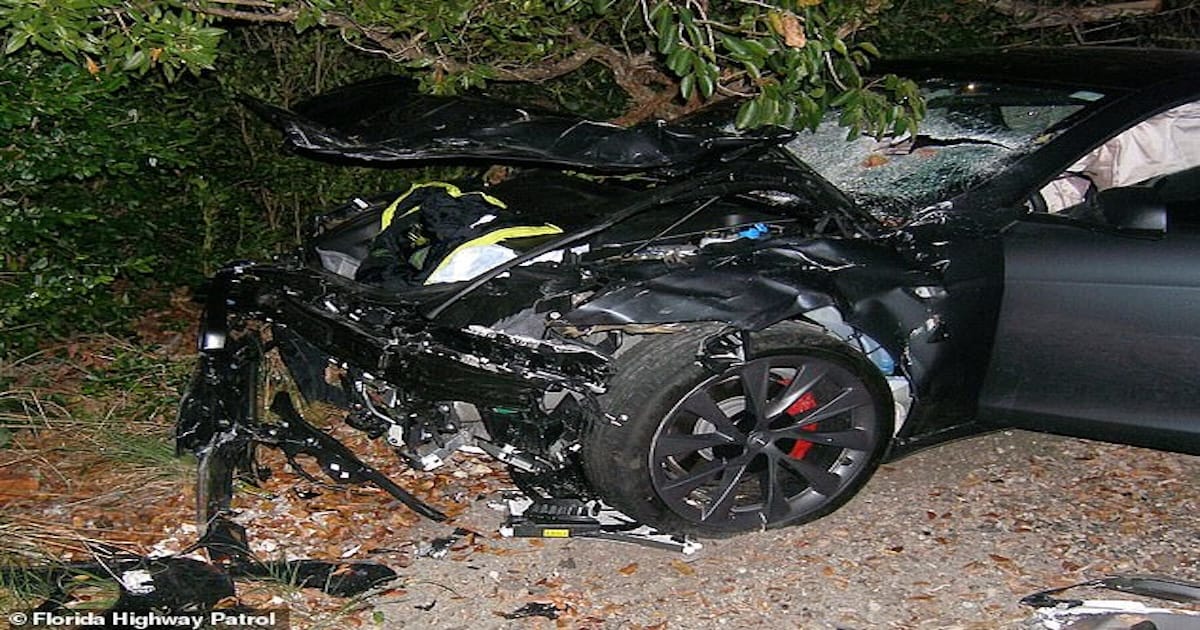
The case goes back to April 25, 2019, in Key Largo, Florida. George McGee was driving his 2019 Tesla Model S through an intersection at approximately 62 miles per hour when he bent down to pick up his dropped phone. His vehicle, equipped with Tesla's Autopilot system, crashed into an SUV parked on a shoulder of the road. Standing beside that SUV were Naibel Benavides Leon, 22, and her boyfriend Dillon Angulo. Benavides was killed. Angulo was severely injured.
Tesla must pay quarter of a BILLION dollars to family of woman killed after Model S driver crashed into her while bending down to pick up his phone https://t.co/Q43ZVivBt2
— Daily Mail (@DailyMail) February 21, 2026
Jurors found Tesla 33% responsible for the crash and awarded Benavides' estate $19.5 million in compensatory damages and Angulo $23.1 million, plus $200 million in punitive damages split between them. McGee had previously settled with the plaintiffs separately.
This was the first federal jury verdict in a fatal accident involving Tesla's Autopilot system, and it hit the company hard.
Tesla argued that McGee deserved sole blame, that the vehicle was not defective, and that the verdict defied common sense. The company said automakers do not insure the world against reckless drivers and pushed for zero punitive damages.
The judge disagreed on all counts.
"From day one, Tesla has refused to accept responsibility," said Adam Boumel, attorney for the plaintiffs. "Autopilot was defective, and Tesla put it on American roads before it was ready and before it was safe."
Tesla is expected to appeal. As they should. The person driving the vehicle is the one responsible for this tragedy, if you ask me.