


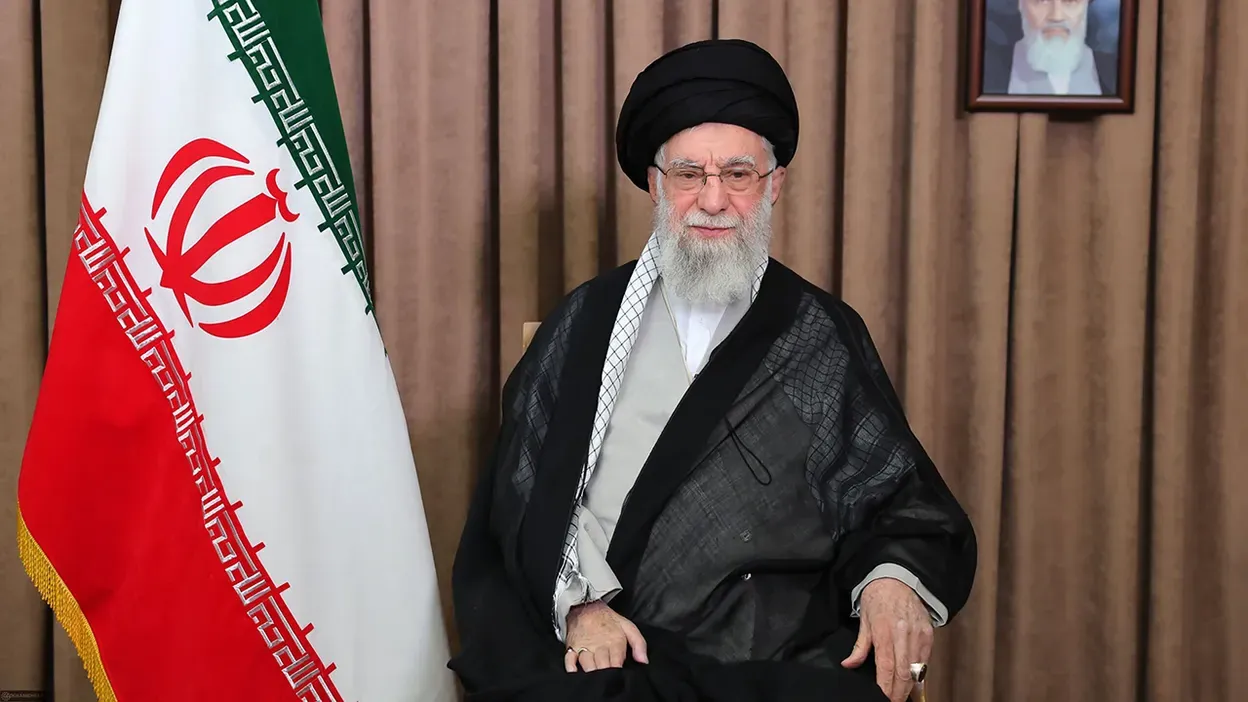
Iranian Supreme Leader Ayatollah Ali Khamenei has died following an Israeli airstrike in Tehran, according to Israeli officials. He was 86.
Israeli leaders said the strike, carried out early Saturday, targeted Khamenei’s compound and offices in downtown Tehran. Officials stated that the site was reduced to rubble in what they described as a targeted operation. Iranian authorities have not immediately provided additional details regarding the circumstances of his death.
Khamenei had led the Islamic Republic of Iran since 1989, making him one of the longest-serving heads of state in the Middle East. He assumed the role of supreme leader following the death of Ayatollah Ruhollah Khomeini, the founder of the Islamic Republic.
🚨 BREAKING: Iranian Ayatollah Khamenei’s BODY FOUND, he’s DEAD, Israeli official says — after U.S.-Israeli strikes led by President Trump pic.twitter.com/iBAX1J0HGc
— Evelio Silvera (@eveliosilvera) February 28, 2026
Born on April 19, 1939, in Mashhad, Iran, Khamenei was active in the Islamist movement that culminated in the 1979 revolution, which overthrew Shah Mohammad Reza Pahlavi. After the revolution, he held several senior positions within the new government. He served as Iran’s president from 1981 to 1989 before being appointed supreme leader.
ON TARGET — U.S. and Israel Hit Major Iranian Military and Nuclear Sites
— Evelio Silvera (@eveliosilvera) February 28, 2026
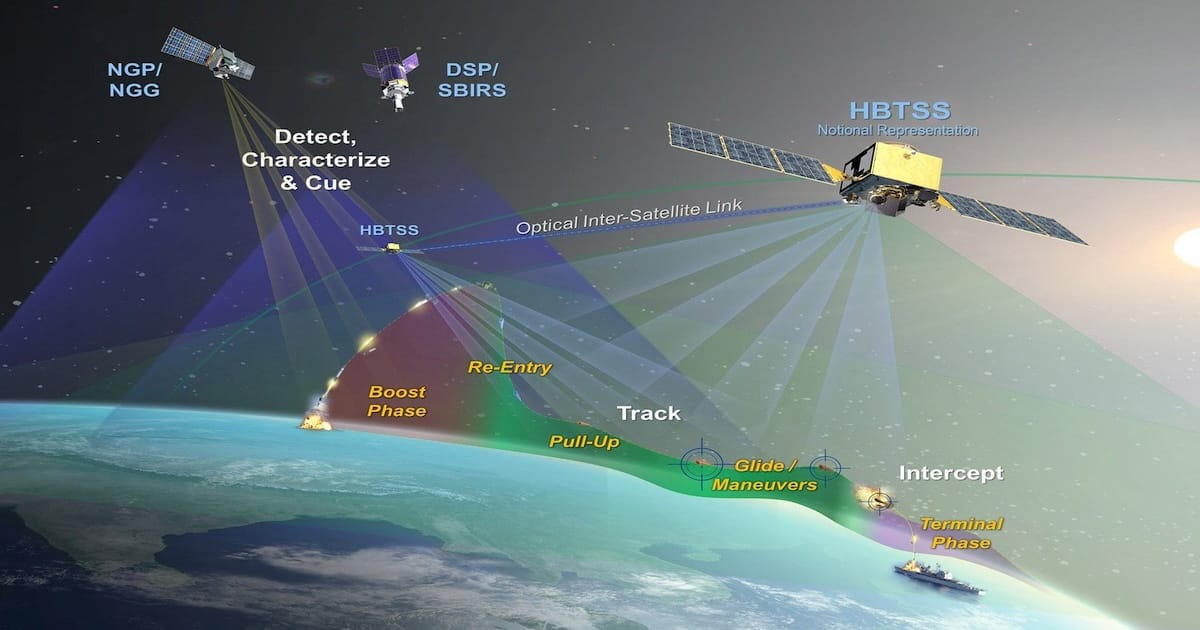
Bill Hemmer broke it down. Tehran. Western Iran. Missile launch sites. Nuclear facilities at Fordow, Isfahan, and Natanz. Parchin as well.
Reports are circulating that areas near the Supreme Leader’s… pic.twitter.com/oHwZyDVSD3
As supreme leader, Khamenei held ultimate authority over Iran’s armed forces, judiciary, state broadcasting, and key political institutions. Over more than three decades in power, he oversaw major domestic and foreign policy decisions, including Iran’s nuclear program and its regional alliances.
Throughout his tenure, Iran faced international sanctions and diplomatic tensions, particularly with the United States and Israel. Domestically, his leadership was marked by periodic unrest and government crackdowns on protests.
🚨🇮🇱🇮🇷 Israel state media: Khamenei's body has been found.
— Mario Nawfal (@MarioNawfal) February 28, 2026
It's over.
The Supreme Leader of the Islamic Republic of Iran is dead.
Source: N12 https://t.co/3rEGV6kAIS pic.twitter.com/GDD9hXU3qz
In recent years, Iran’s regional position shifted amid escalating tensions with Israel. Israeli officials said the latest strike followed a series of military confrontations, including a 12-day conflict in June 2025 during which several senior Iranian security officials were killed.
Khamenei’s death marks a significant moment for Iran’s political system, which now faces a leadership transition under its constitutional framework.