


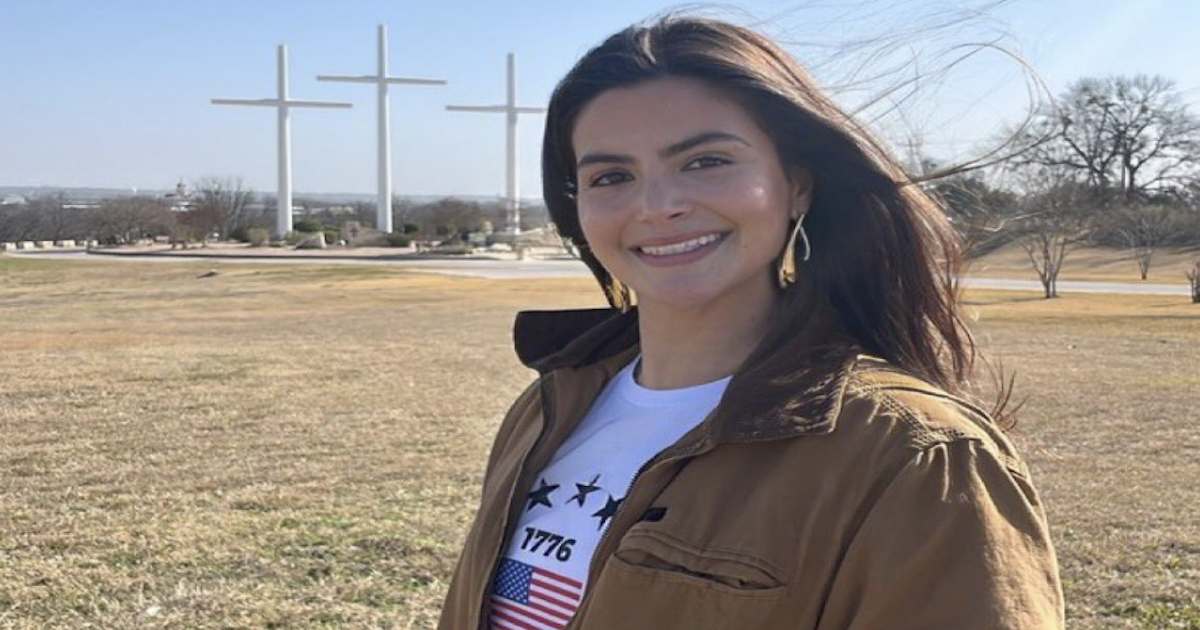
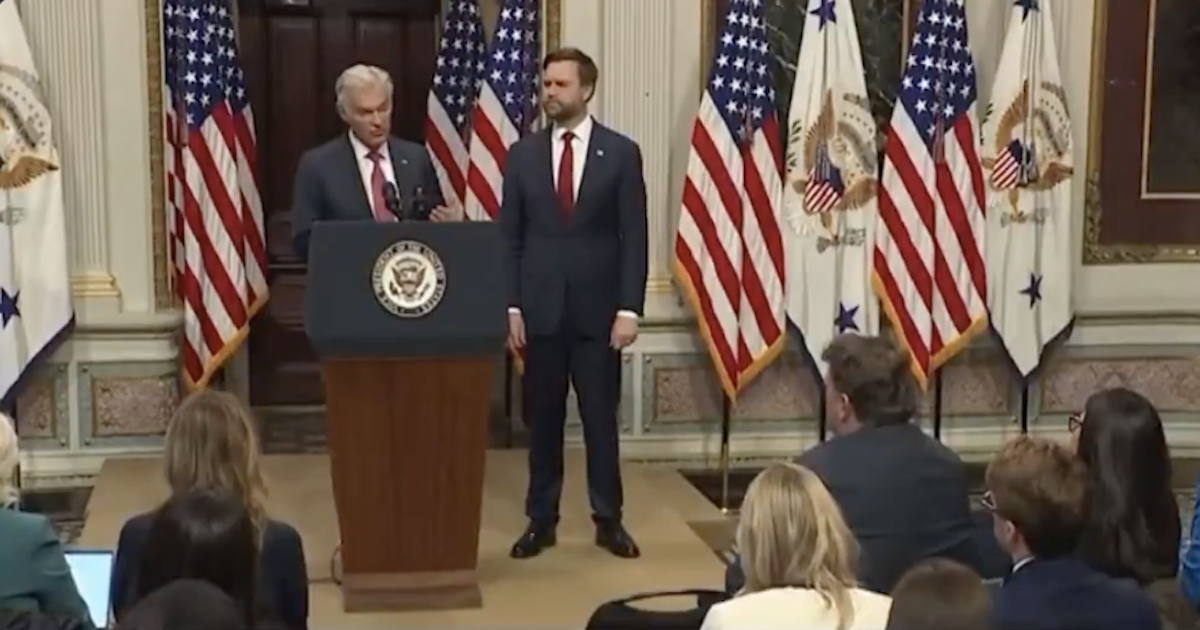
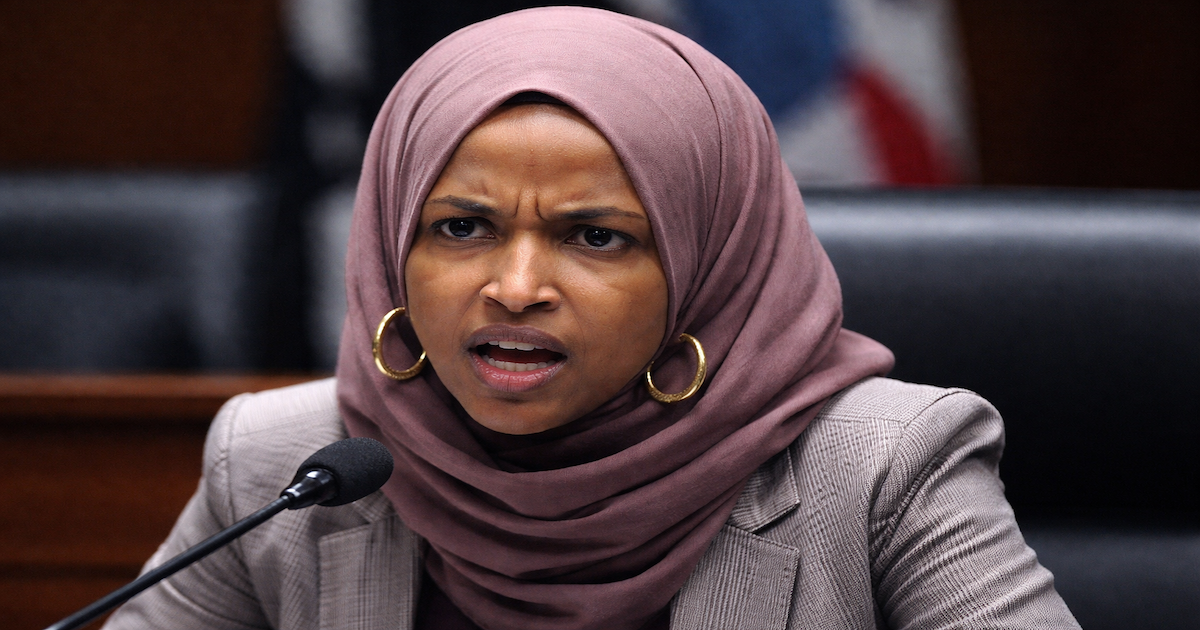
- What Happened: Journalist Avery Daye is going viral for laying out the documented history of Rep. Ilhan Omar's family ties to Somalia's Siad Barre regime, whose military carried out the Isaaq genocide that killed up to 200,000 civilians, a history Omar has never been asked to address on a mainstream platform.
- Why It Matters: Omar's father was a colonel in the Barre military's command hierarchy during the genocide. Her grandfather held a senior post in the regime. The family lived in a guarded compound in Mogadishu, privileges reserved for regime elites, and fled only as the regime collapsed.
- Bottom Line: Democrats have spent years branding Ilhan Omar as a refugee who fled oppression. The documented record raises a very different question: whose side was her family on?
The Democratic Party has spent years presenting Rep. Ilhan Omar as a symbol of the refugee experience, a woman who fled war and oppression in Somalia and rose to Congress. Journalist Avery Daye is going viral for asking a question the mainstream media has never wanted to answer: what exactly was Omar's family fleeing?
The documented record is damning.
Omar's father, the late Nur Omar Mohamed, held the rank of Colonel in the Somali National Army under dictator Mohamed Siad Barre. Her grandfather held a senior administrative post in the same regime, serving as director of the country's national marine transport network. The family lived in a guarded compound in Mogadishu, a privilege reserved exclusively for regime elites, while the Barre military was carrying out one of Africa's worst genocides.
Between 1987 and 1989, the Barre regime executed a systematic campaign of extermination against the Isaaq people of northern Somalia, now the Republic of Somaliland. UN investigators later concluded the campaign killed up to 200,000 civilians through aerial bombings, mass executions, forced starvation, and the deliberate destruction of entire cities. Human Rights Watch, Amnesty International, and the UN-commissioned Mburu Report all documented the genocide as official state policy, carried out through the military chain of command.
Everyone needs to be aware of this
— Wall Street Apes (@WallStreetApes) March 5, 2026
Journalist Avery Daye exposes the history of Minnesota Rep Ilhan Omar
“Ilhan Omar — I figured not enough people know about her family’s history, so let’s recap:
Her dad and her grandfather were both high-ranking military officials in the… pic.twitter.com/Tn1Un6JKeB
Omar's father, as a colonel in that chain of command, has been identified by the Somaliland Chronicle and multiple human rights researchers as occupying a position of authority during the height of the genocide. No evidence has been made public conclusively proving he personally carried out atrocities, but investigators note his rank, his decade-plus climb through the military hierarchy, and his close ties to the ruling clan made his knowledge of and participation in the campaign's execution virtually certain.
The family did not flee until 1991, when Barre's regime finally collapsed under civil war pressure. They departed their guarded compound, used connections Omar's grandfather had cultivated through his regime post to reach Kenya, and eventually arrived in the United States in 1995 as asylum seekers.
As Daye put it bluntly: "She was not oppressed. Her family, they were the oppressors. Her family created the war."
Omar has never been asked to publicly account for her family's role in the Barre regime. She has never addressed why her family remained in their privileged compound throughout the genocide and fled only as the regime that provided that privilege collapsed. She has never explained why her grandfather's regime connections were the mechanism that got them safely to Kenya.
The Democratic Party calls her a refugee. The Isaaq people who survived the genocide her family's regime carried out might describe it differently.