



Patriot Brief
• What Happened: A federal judge halted the Trump administration’s $400 million White House ballroom project, ruling it cannot proceed without congressional approval despite plans to fund it privately.
• Why It Matters: The decision sets up a major legal clash over executive authority, historic preservation, and whether courts can block structural changes to the executive residence.
• Bottom Line: The ballroom is on pause — and the fight now shifts to appeals and constitutional boundaries.
A federal judge on Tuesday ordered the Trump administration to halt construction on a planned $400 million ballroom at the White House, ruling that the project cannot proceed without congressional approval.
U.S. District Judge Richard Leon granted a preliminary injunction sought by the National Trust for Historic Preservation, temporarily stopping further work. Leon concluded the group is likely to succeed on the merits, writing that “no statute comes close to giving the President the authority he claims to have.”
“The President of the United States is the steward of the White House for future generations of First Families. He is not, however, the owner!” Leon wrote.
The decision is a setback for Donald Trump, who had pushed the ballroom project as a privately funded upgrade to expand event capacity at the executive residence. The administration has emphasized that the project would rely on private donations, including contributions from Trump, rather than taxpayer dollars.
Trump criticized the lawsuit in a social media post, questioning the logic of blocking a project that does not draw from public funds. The White House did not immediately respond to requests for comment.
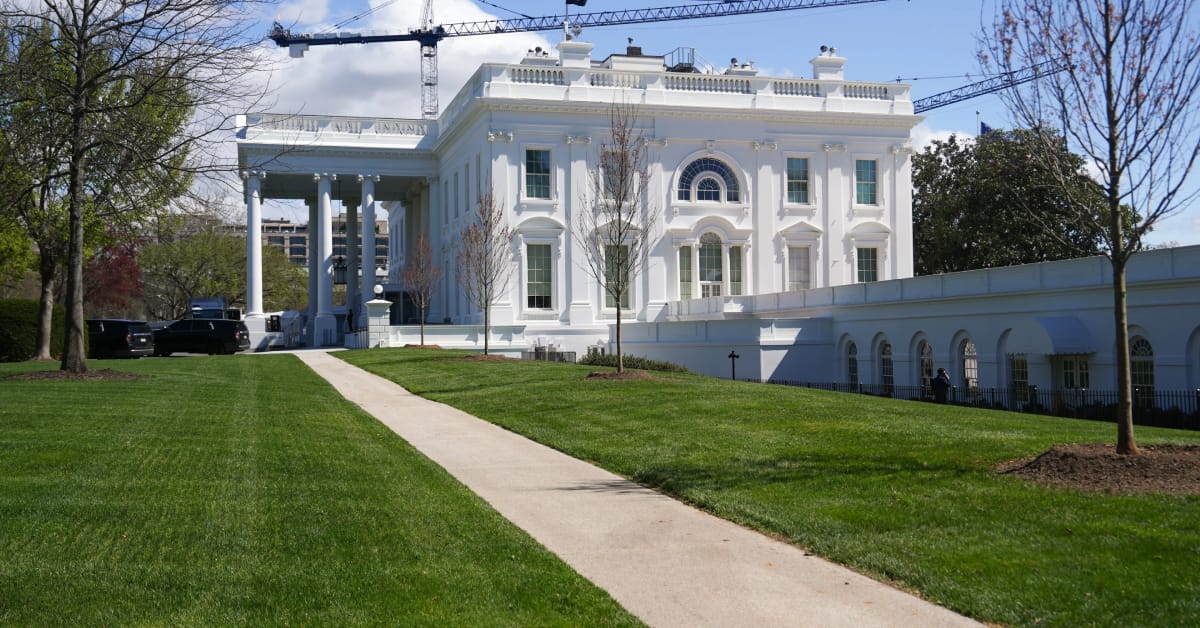
According to court filings, the administration had already demolished the East Wing to make way for a 90,000-square-foot ballroom designed to hold up to 999 guests. Officials had indicated that above-ground construction would begin in April.
The preservation group argued the project should be paused until it undergoes independent federal reviews and receives congressional authorization, citing the White House’s historic status and the need for oversight before major structural changes.
Leon’s order allows construction necessary for safety or national security to continue. After reviewing materials submitted by the government, the judge concluded that halting the project would not pose a security risk.
He also delayed enforcement of the ruling for 14 days, noting the case raises “novel and weighty issues” and that stopping an ongoing project could create logistical challenges. The administration is expected to appeal.
During earlier proceedings, Leon questioned the government’s legal arguments, pointing to what he described as “shifting theories.” Justice Department attorneys argued that past presidents have carried out renovations—some controversial at the time—without seeking congressional approval.
However, the court appeared unconvinced that those examples justify a project of this scale. The case now sets up a broader legal clash over the limits of executive authority, the role of Congress, and how far courts should go in intervening in decisions involving the White House.