



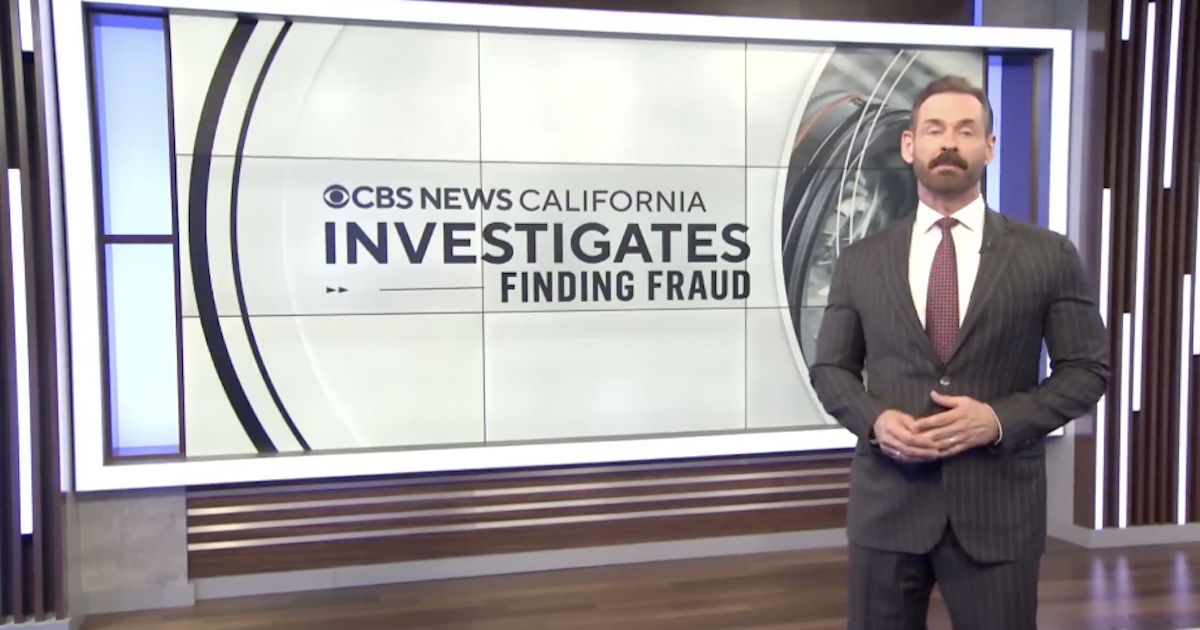
- What Happened: A CBS News California investigation found over 800 fraudulent business registrations filed with the California Secretary of State last year, with criminals specifically targeting legal immigrants who studied or worked in the U.S. then returned home.
- Why It Matters: Criminals use stolen Social Security numbers to register fake companies because business credit limits are far higher than personal ones.
- Bottom Line: Registering a fake business in California takes a few clicks and $70. Newsom's office declined comment. The fraud keeps growing.
California made it easy. That is the conclusion of a CBS News California investigation that found over 800 potentially fraudulent business registrations filed with the California Secretary of State last year alone, targeting one of the most vulnerable groups imaginable: legal immigrants who came to America for school or work, built lives here, and then went home.
They left. Their Social Security numbers stayed. And California's business registration system gave criminals an open door.
Fraud investigator David Maimon of identity risk firm SentiLink explained the scheme to CBS News. Criminals scour data for the identities of former legal immigrants who no longer live in the United States. With those what Maimon calls "golden IDs," they register fake businesses through California's Secretary of State portal in the victims' names. The reason they target business registrations specifically is calculated. "Once you have a business under your name, then the limits are way higher and you can definitely aim for bigger loans," Maimon said.
WOAH 🚨 CBS News finds 800 FAKE businesses were registered in California JUST LAST YEAR ALONE
— Wall Street Apes (@WallStreetApes) March 20, 2026
These fake 800 businesses target legal immigrants who came to the US for school and on Visas
They get their social security numbers and start opening up fake businesses in their names,… pic.twitter.com/4IfKVxwVLZ
Personal identity theft has credit limits. Business identity theft does not have the same ceiling. It is fraud on a different scale entirely.
CBS News randomly sampled more than 10 suspicious Secretary of State filings, including construction companies, senior care centers, nail salons, and pharmacies. None appeared to be real businesses. Every location checked was a private residence or apartment. Three separate fake businesses were registered to one small Glendale apartment. One woman living at a Glendale address had been receiving mail for a company called "YJ Pharmacy" for months, unaware she had been pulled into someone else's fraud.
The process that enables all of this costs criminals $70 and a few clicks. CBS News reporters began registering a test business with only minimal information and no apparent verification required. California's own Secretary of State website advertises its portal as offering "stronger protection from business identity theft and fraud." The investigation suggests otherwise.
One victim, a former Penn State student who moved back to Thailand after her studies, told CBS News what happened when she found out her identity had been used to register a fake California construction company. By the time she discovered the fraud, 30 fraudulent accounts had been opened in her name with thousands of dollars in charges. Her credit score had fallen from 800 to 419. Her financial life was in ruins from a country away, with no easy way to fight back.
Los Angeles County Detective Hish, who runs the county's Cyberfraud Unit, told CBS News his unit alone saw 25,000 identity theft cases last year. He said he has seen victims become suicidal after identity theft destroys their finances and peace of mind. LA, Long Beach, and Anaheim rank sixth among all U.S. metropolitan areas for identity theft according to FTC data.
Maimon believes the problem is far larger than the 800 businesses identified. "I think the state could find way more than 10 businesses in one day," he said.
CBS News California Investigates reached out to Governor Gavin Newsom for comment. His office declined repeated interview requests and did not issue a statement.
California already leads the nation in hospice fraud, daycare fraud, Medi-Cal fraud, COVID unemployment fraud, and homelessness spending fraud. Now add business registration fraud targeting the legal immigrants who trusted the state enough to build their American lives here.
Eight hundred fake businesses. Seventy dollars each. No verification. No comment from the governor.
California is not just the fraud capital of California. It is the fraud capital of the world.